ABOUT
%201.png)
Who We Are
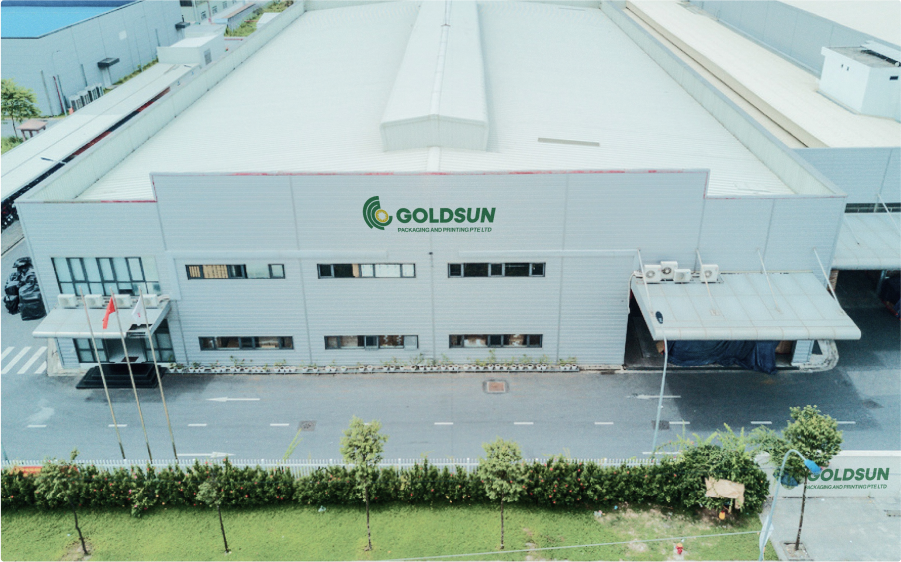
Goldsun today is a unified group offering trusted products that support daily living.
Our History
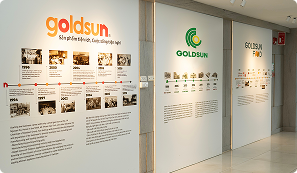
From 1996, Goldsun has expanded into a nationwide packaging leader.

Our Value
Guided by customer centric, sustainability, precision excellence, partnership & collaboration.
Certification
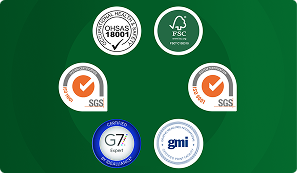
Certified to global standards that ensure quality, precision, and reliability.
TECHNOLOGY
Production Process
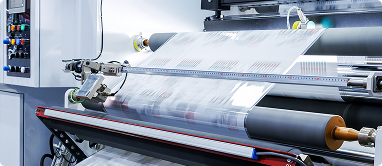
A fully streamlined workflow designed for speed, accuracy, and consistency across every production run.
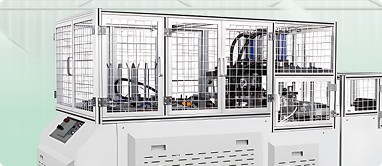
Machinery & Equipment
Advanced, internationally certified equipment ensures high-quality output, stable performance, and seamless scalability.

Quality Management
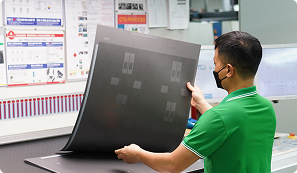
Quality at Goldsun is embedded throughout the entire production process. Goldsun focuses on building quality into the production process itself
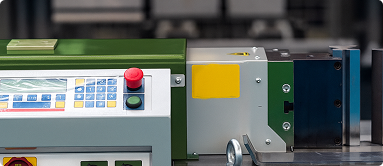
Key Machines & Equipment
State-of-the-art presses, automation systems, and precision finishing machines that strengthen efficiency and deliver results.
CAREERS
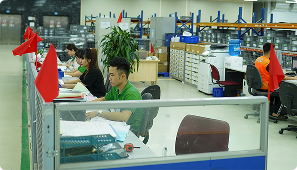
Working Environment
Our environment is built on the intersection of advanced manufacturing technology and collaborative expertise.
Why Working With Us
We believe that our people are the foundation of our success. As a member of Goldsun, you will enjoy the following benefits.
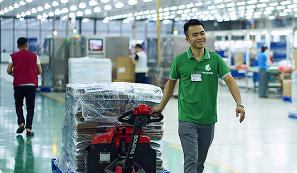
Employee Testimonials
Hear what our team members have to say about their experiences working and growing with Goldsun.

NEWS
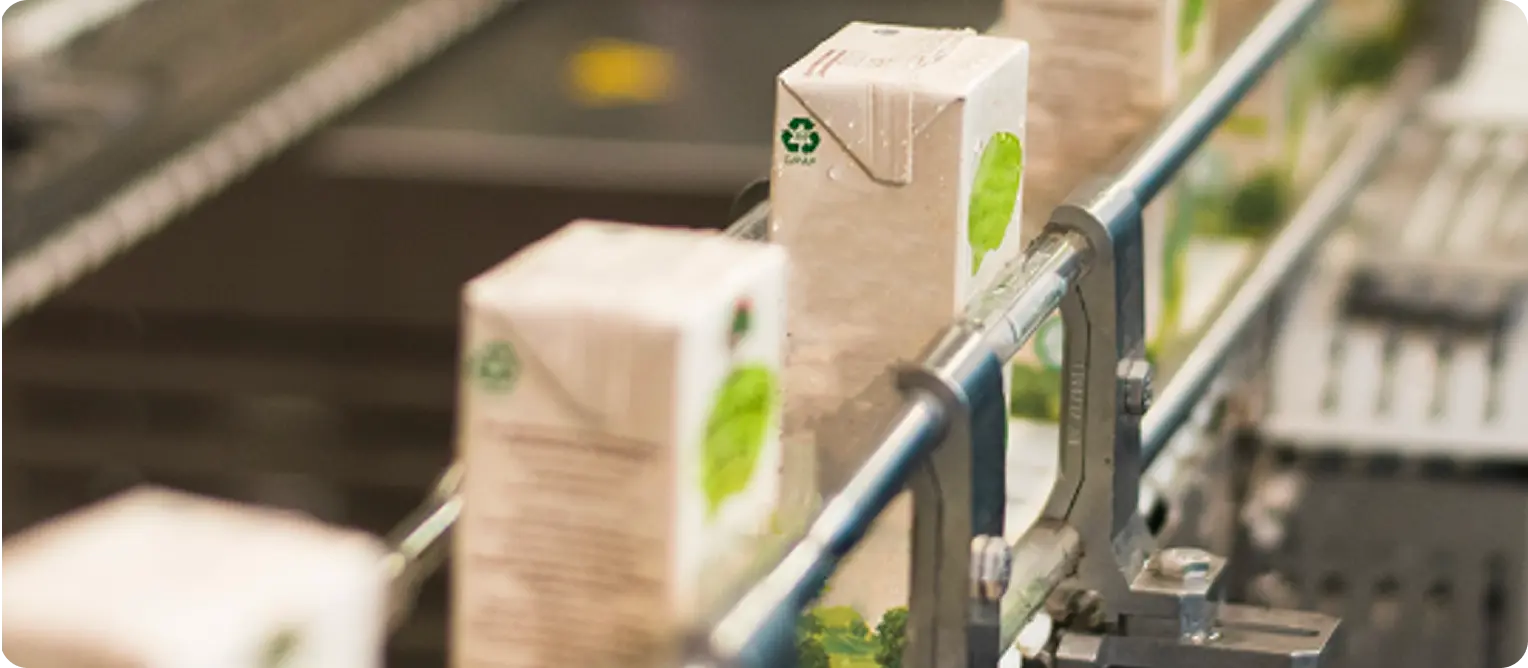
Featured Updates
A fully streamlined workflow designed for speed, accuracy, and consistency across every production run.
%201.webp)
Corporate Events & Activities
Advanced, internationally certified equipment ensures high-quality output, stable performance, and seamless scalability.
.webp.webp)
CSR Activities
State-of-the-art presses, automation systems, and precision finishing machines that strengthen efficiency and deliver results.
CONTACT


.svg)

.svg)

.svg)